
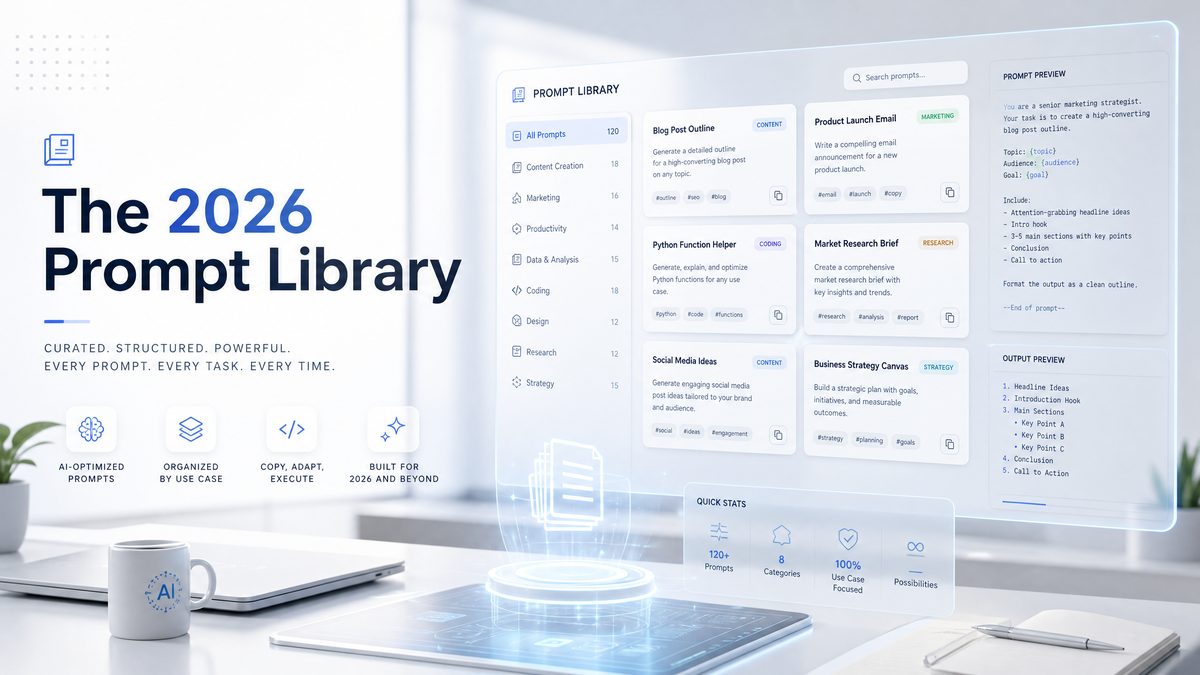
Welcome to the definitive guide for prompt engineering in 2026. As AI models evolve, the discipline of structuring inputs has shifted from “magic spells” to rigorous engineering. This library provides 20 battle-tested templates designed for the latest reasoning-heavy models like GPT-5.5 and Claude Opus 4.7.
The Shift to Reasoning Scaffolds
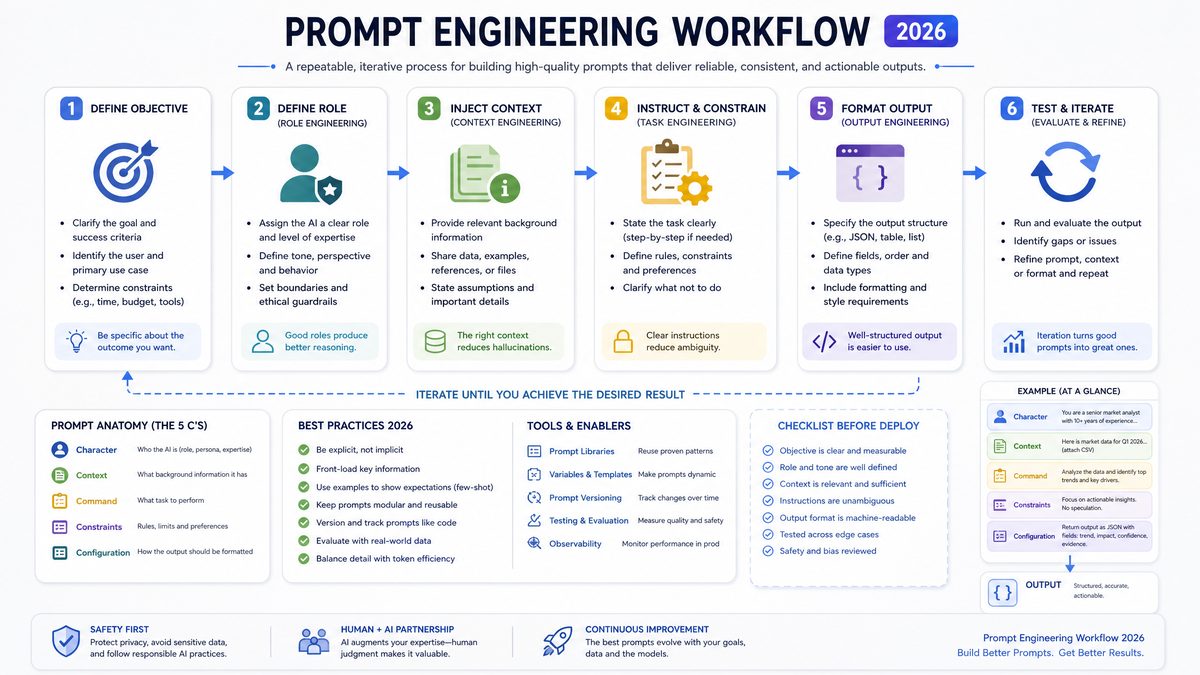
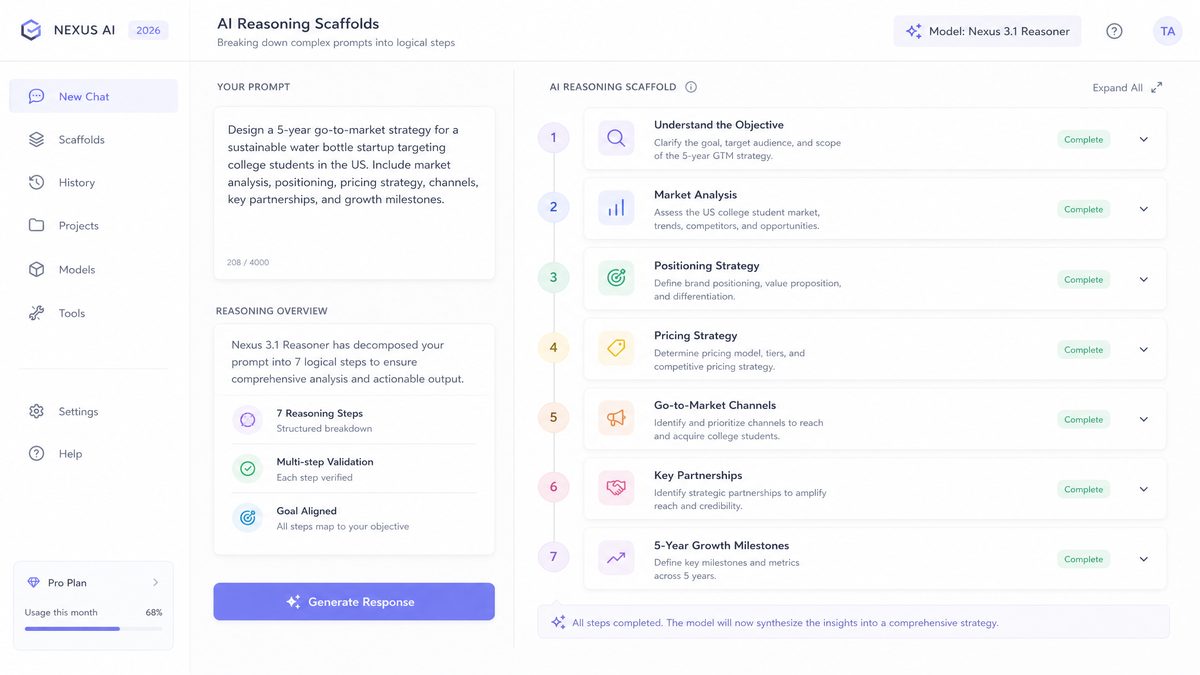
In 2026, the primary differentiator in high-performance prompting is the use of reasoning scaffolds. Unlike the simple instruction-following of 2024, current models perform significantly better when given explicit logical paths to follow. Our templates utilize the “Chain of Verification” (CoVe) and “Tree of Thoughts” (ToT) patterns natively.
Tier 1: Reasoning-Heavy Templates
These templates are optimized for “monolith” models where accuracy is paramount. They include detailed role definitions, multi-step validation checks, and explicit output schemas.
Tier 2: High-Throughput Templates
For nano and flash tier models, verbosity is a penalty. These templates focus on schema-first instructions to ensure consistent JSON or Markdown output without the overhead of long reasoning chains.
Useful Links
- OpenAI: GPT-5.5 Reasoning Benchmarks
- Anthropic: Claude Opus 4.7 Documentation
- Microsoft Prompt Engine GitHub
- ChatGPT AI Hub: More Tutorials
- Access Our Full 40,000+ Prompt Library
Internal Resources
- → The 2026 Prompt Library: 5 Templates for AI Coding
- → The 2026 Prompt Library: 10 Templates for AI Tools